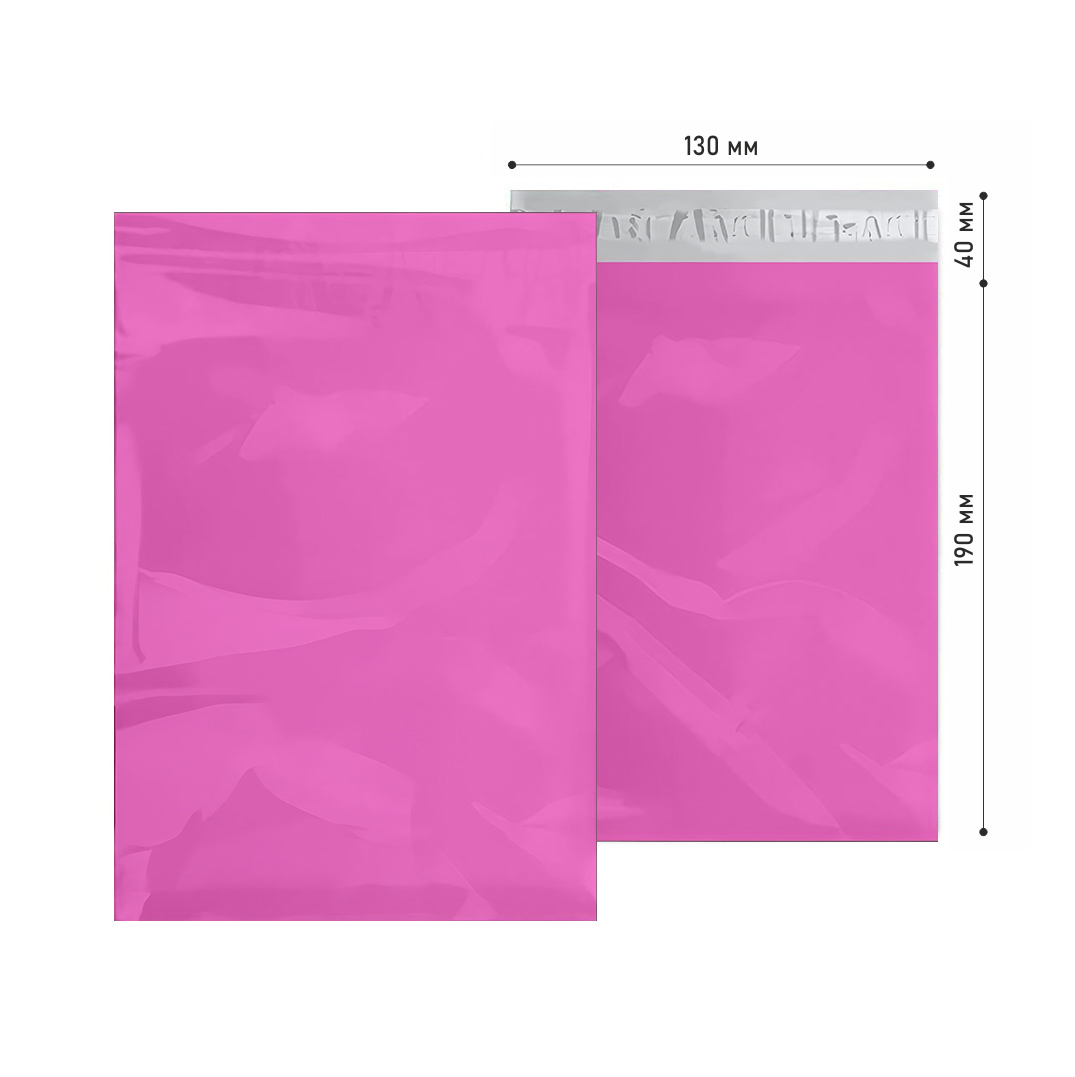
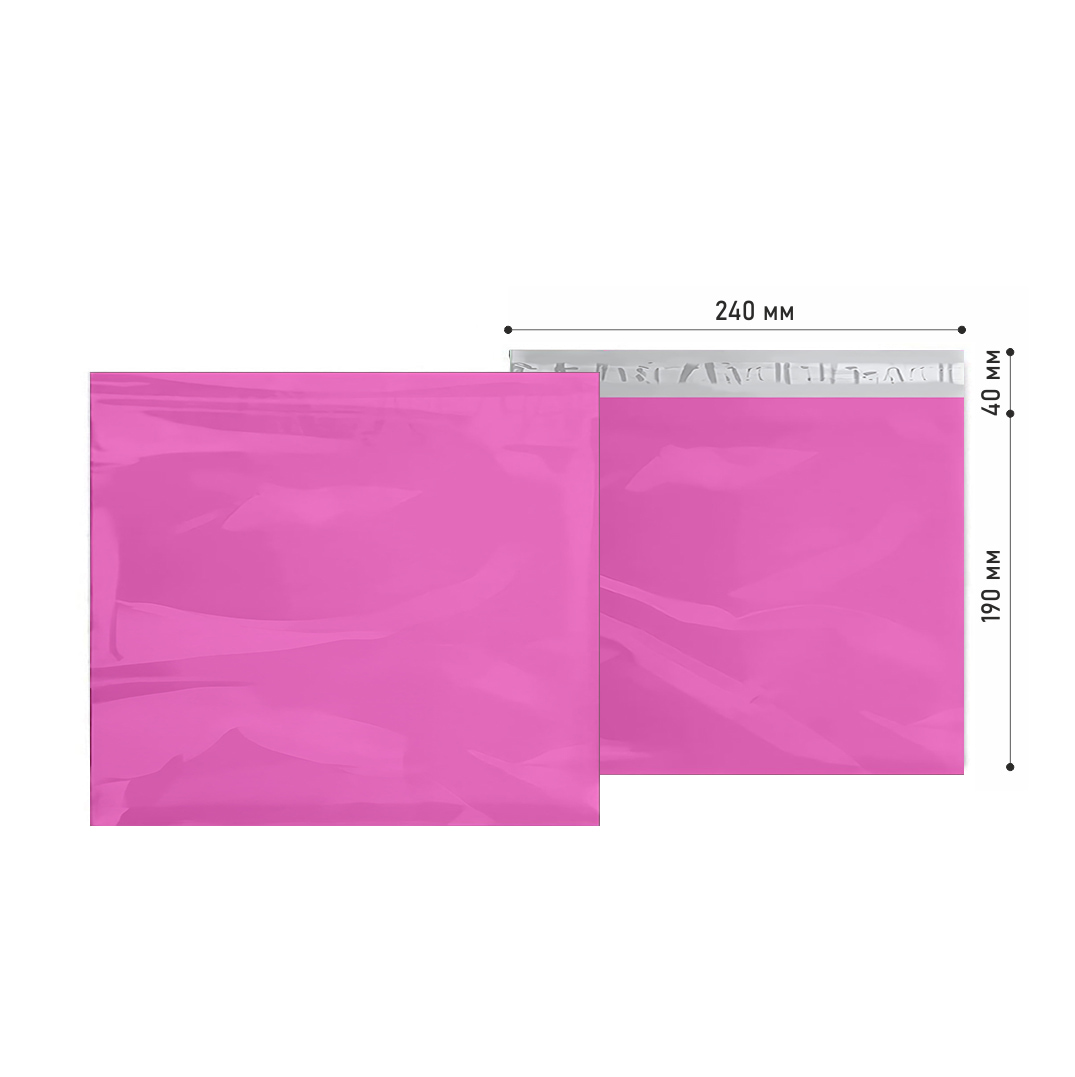
Packaging for goods is classified according to several criteria – purpose, composition, design, material, production specifics, and this is not the end of the story. It differs by the scope of application, the degree of protective properties, and the presence or absence of branding. Let’s figure it all out gradually!
Types of packaging by purpose
All product packaging can be divided into four broad groups:
- Consumer. It is used before selling products directly to the public. In fact, it is a part of the product that is included in its price and is not used separately. Most often, in addition to consumer packaging, a separate transport package is used for transportation to preserve the presentation.
- Transport packaging. This is packaging for the transportation of goods, especially food. It is also used for warehousing and storage of products. Such packaging is ordered by both manufacturers and transportation companies. Containers can be of different sizes, made of different materials, disposable or reusable.
- Production packaging. Such packaging is used in factories and workshops for various internal processes. Including for the storage and accumulation of raw materials, blanks, semi-finished or finished products. It is needed for internal transportation, optimization of warehouses and archives, and waste collection.
- Special. These are specific types of packaging for long-term storage, transportation of chemicals and food preservation.
Types of packaging by rigidity
Depending on the material and specific design, all packaging can be soft or hard. Soft packaging protects the goods just as well, but for fragile goods and complex transportation, it usually requires additional strong protection.
- Soft packaging is lightweight, compact, airtight, cheap and convenient for storage and transportation. Production processes are fully automated. Most materials are recyclable. These include cardboard boxes, paper bags, woven and non-woven fabrics, foil, polymer films and bags, and multilayer composite materials.
- Rigid packaging is most often made of wood or plastic. It protects goods from damage and deformation, so it is stronger and more convenient. These are molded, pressed and extruded containers of various shapes and configurations.
- Separately, we can distinguish semi-rigid or semi-soft packaging, which retains its size and shape under light loads. These are thick cardboard or thin plastics.
Types of packaging by configuration
Structurally, packaging consists of the container itself and auxiliary elements. These include lids, pallets, inserts, dividers, fillers, spacers, fills, etc.
Packaging can be collapsible, non-collapsible, folding, or collapsible-folding. Collapsible packaging can be completely disassembled into separate modules, which can then be reassembled and reused. Folding packaging is not disassembled into separate units, but can be folded and unfolded back without disturbing the structure.
No matter what kind of packaging you need, be sure to order it from professionals! We produce corrugated packaging of all shapes and sizes, so we will help you choose the right option for your tasks!