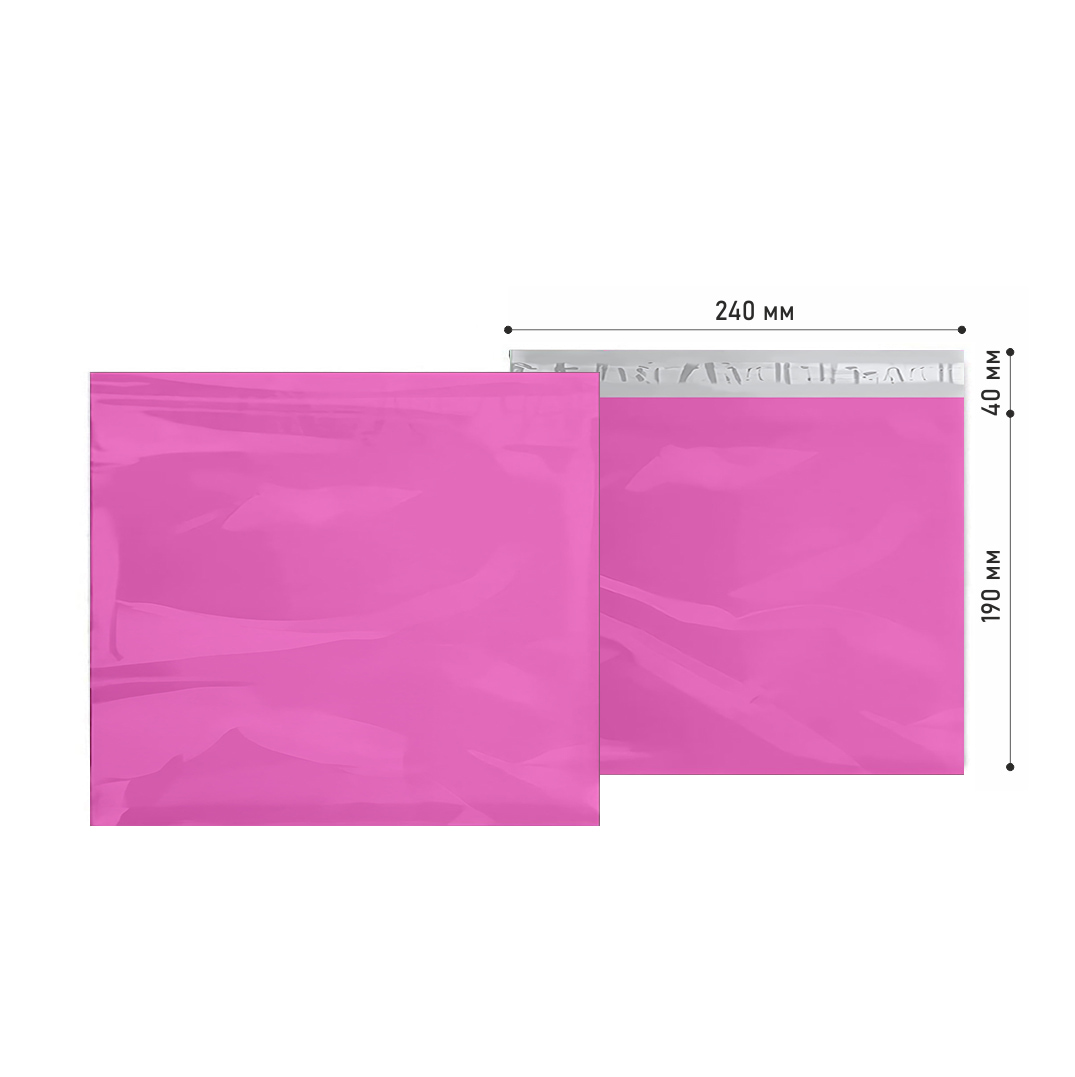
The parameters and characteristics of transport containers for the transportation and storage of goods are specified in state standards. There are two types of containers:
- Small-sized containers. Transport packaging with overall dimensions within 1200x1000x1200mm;
- Large-sized packaging. Transport containers whose overall dimensions exceed the above dimensions.
Different modes of transportation use their own specific shipping containers: pallets, bags, barrels, boxes, containers.
The provision on the transportability of goods is reflected in Article 308 of the CCU, according to which “the shipper is obliged to prepare the goods for transportation, taking into account the need to ensure their transportability and safety during transportation”. It should be noted that the provisions of the above article of the CCU are of a general nature, i.e., they are provided for transportation by various modes of transport.
There is a well-known classification of containers according to several features, in particular, by the multiplicity of use:
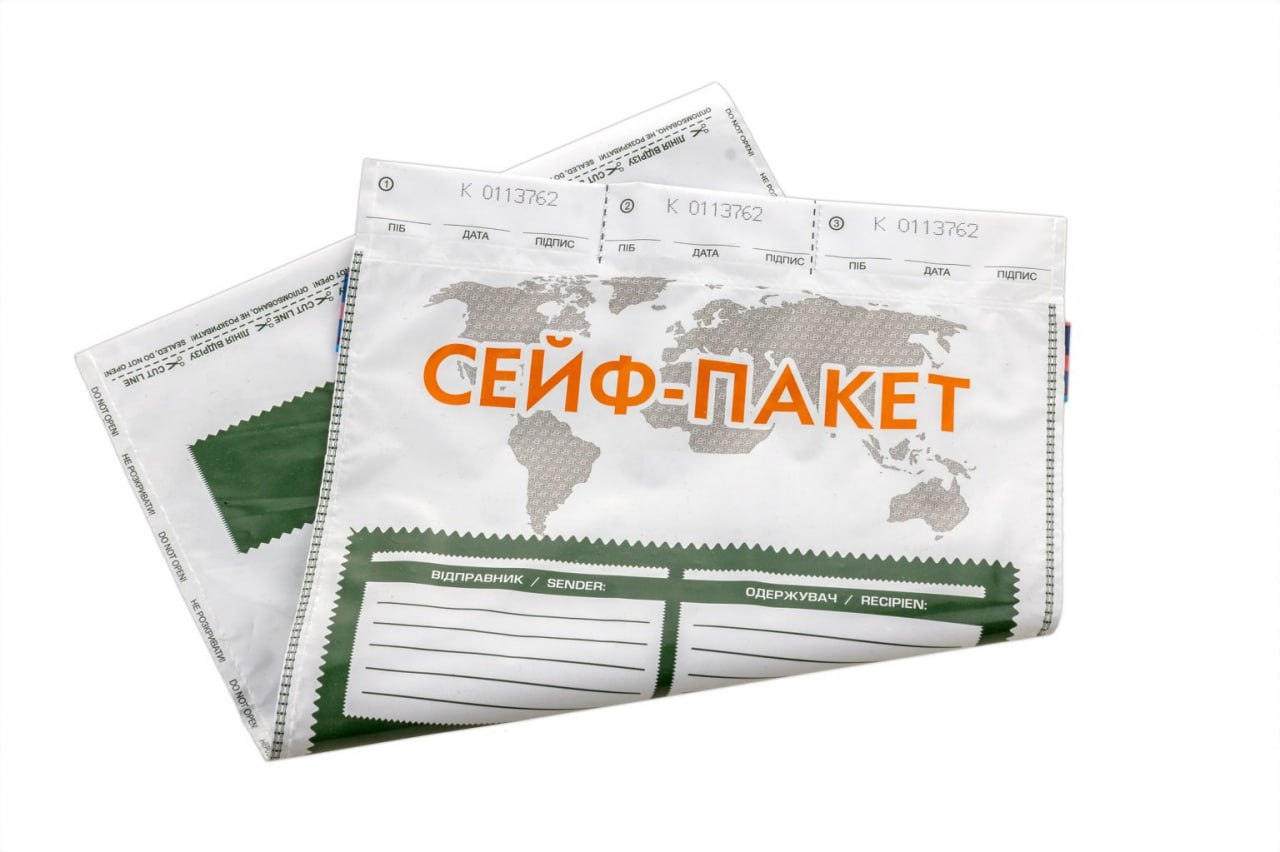
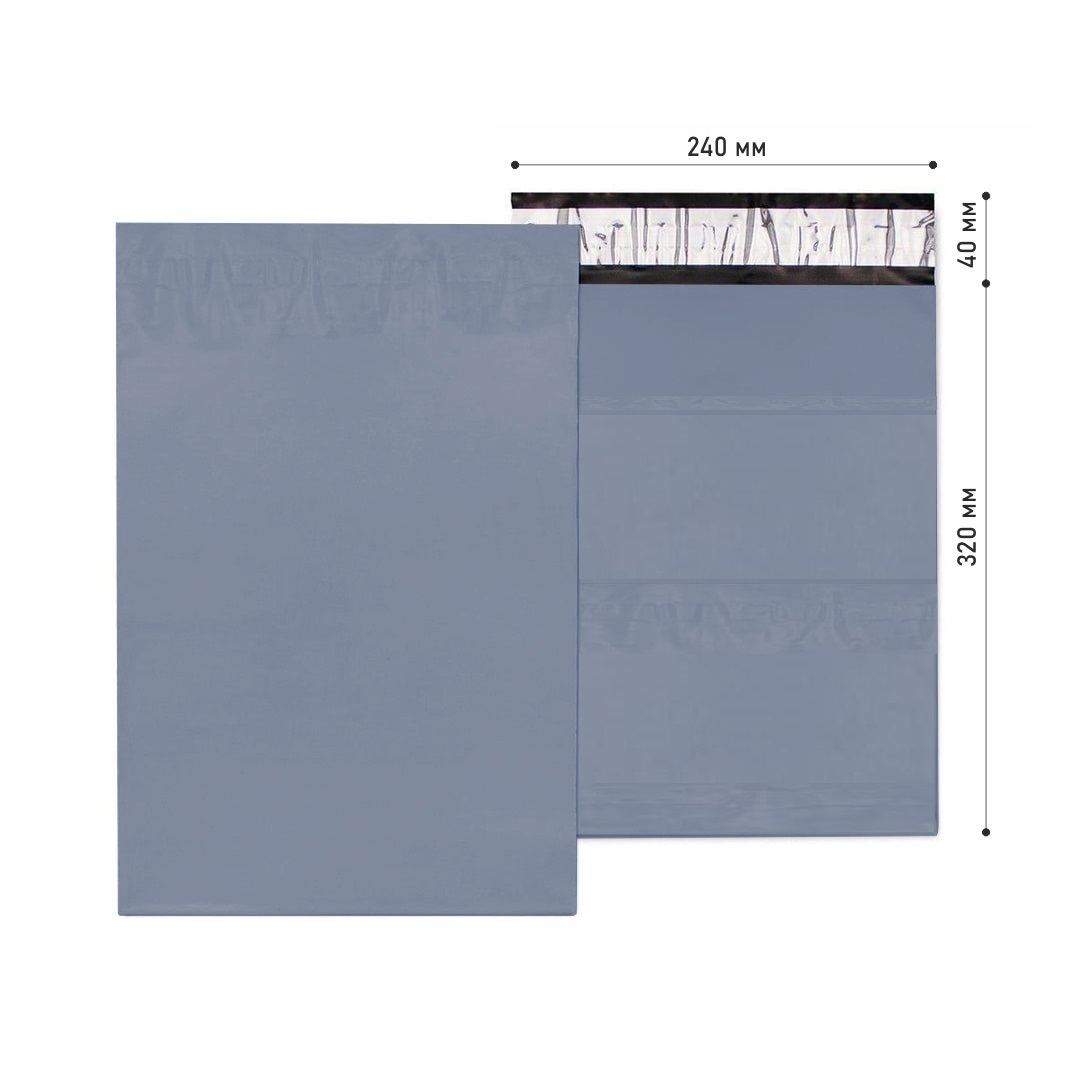
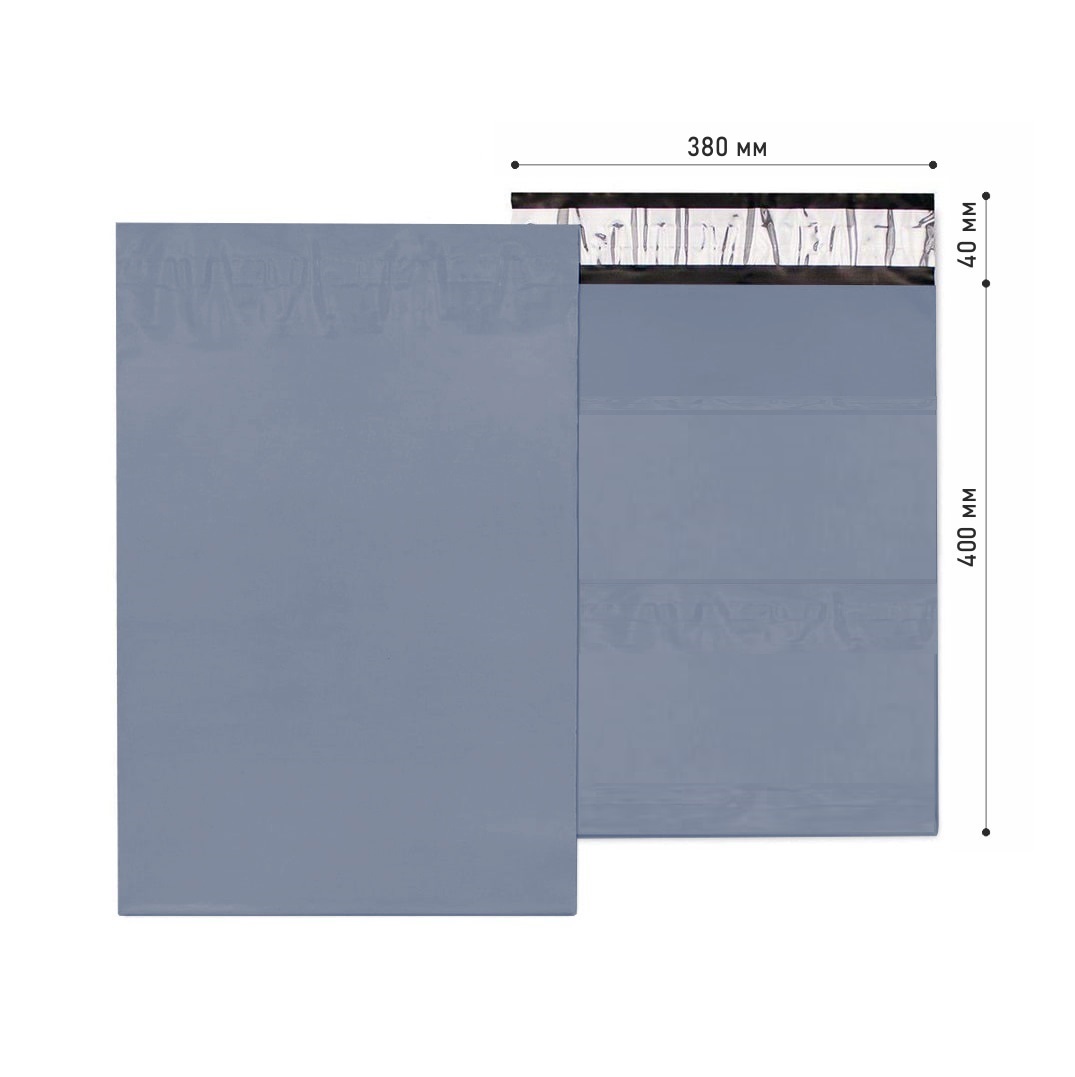
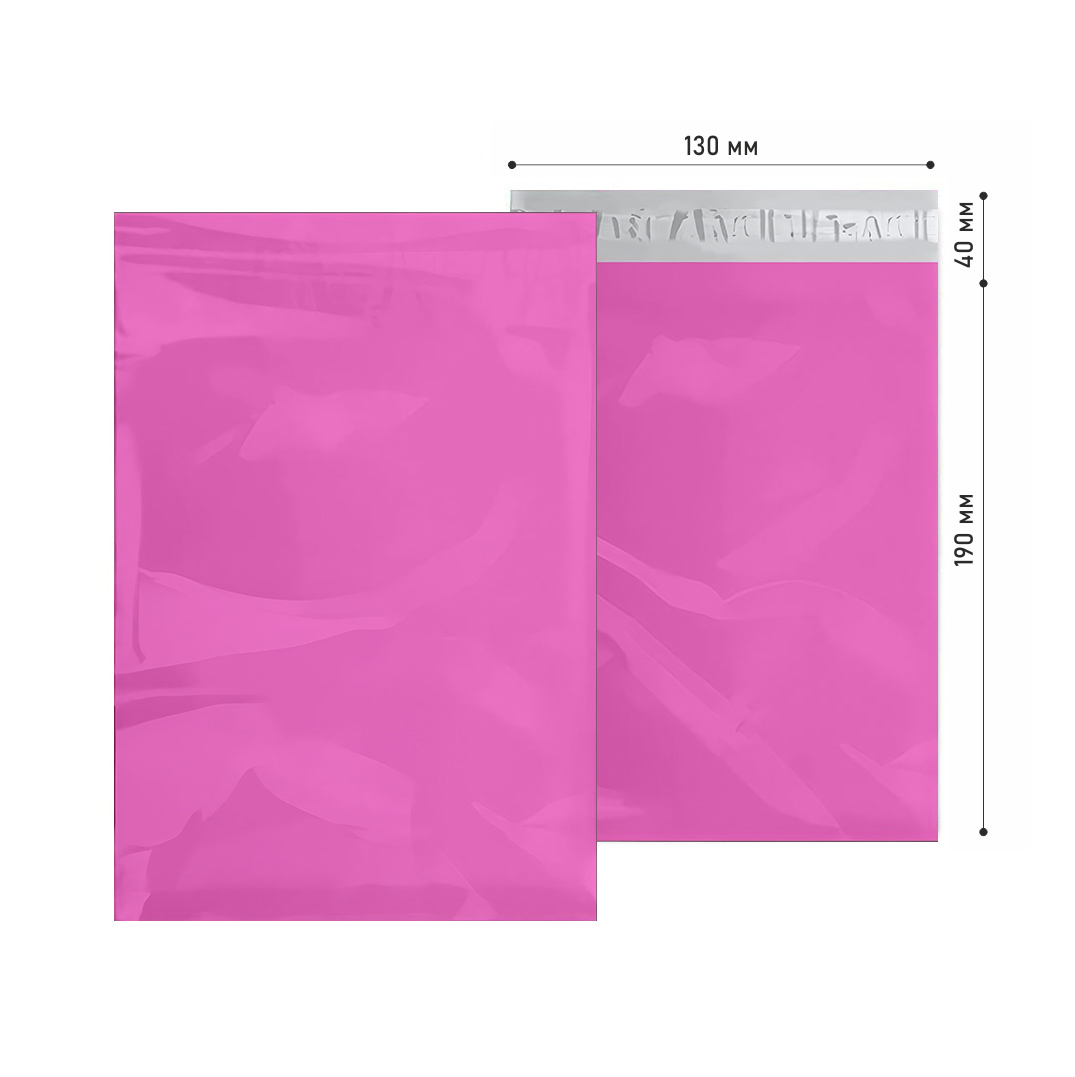
- single-use containers – containers that are used only once, are not subject to return and are not accepted from customers (paper, cardboard, polyethylene, bags, boxes of paper and polymeric materials used for packaging products). Such packaging is considered non-returnable, as it remains with the buyer;
- reusable (returnable) – packaging intended for multiple use. It can be classified according to the type of product it is intended for packaging (packaging and specialized containers, equipment packaging, packaging for ferrous metals and metal structures, packaging for non-ferrous metallurgy products, packaging for gas products, packaging for chemicals, etc.)
Reusable packaging, in turn, can be classified:
- depending on the period of use:
Non-returnable – packaging with a useful life of less than 1 year; - negotiable – packaging used for a period exceeding 1 year;
- by the nature of the contractual relationship with the buyer:
returnable packaging – reusable packaging that is classified as secondary material resources and is subject to reuse. Such containers may be pledged – containers for which the supplier collects a deposit from the buyer as a security for timely return, which is returned after receiving the container from the buyer; - non-returnable packaging – packaging that remains with the buyer;
- depending on the participation of the container in the production process:
packaging used in the technological process of production of products; - containers for permanent storage of inventory in the company’s warehouses;
- packaging used for packaging and transportation of finished products (goods).
A special separate type of packaging is packaging equipment, which performs the functions of conventional packaging and commercial equipment. Packaging equipment is defined as a technical means intended for stacking, transportation, temporary storage and sale of food and non-food products (containers, pallets, etc.).
The largest type of transport container used in supply chains is a container, a standardized reusable container designed for the transportation of goods by road, rail, sea and air and adapted for mechanized transshipment from one vehicle to another; it can be made of various materials and have various shapes. A more complex type of container is the containerized truck, which is a trailed (removable) car body adapted for transportation by rail and sea. Tankers are used for liquid cargoes.
The size of transportation containers is constantly changing. The first containers were made of wood. After the Second World War, the United States began using steel Container Express containers (abbreviated as ConEx) measuring 6x6x6 feet. ConEx were widely used for the transportation of military cargo, especially during the Korean War of 1950-1953, but they did not take into account the possibility of transshipment from different modes of transport. In the 1950s, a system of modern intermodal containers was developed, which took into account the possibility of changing the mode of transportation (ship, rail and road) without the need to unload/load the contents of the container. In 1964, the first world standard TEU (Twenty foot Equivalent Unit) 20x8x8.5 feet was adopted.
Over the past decade, the global freight container fleet has doubled, and global container production has reached the level of 2.5-3 million TEU per year. According to experts, the world’s container fleet is still dominated (88%) by universal sea dry cargo containers, but the share of refrigerated and tank containers has increased to 7%. Regional containers that do not meet international standards account for another 5%.